

If your home sits within a conservation area, replacing your windows can involve more than simply choosing a new style and booking an installer. Conservation areas are protected because of their architectural or historic interest, meaning changes to features such as windows may be subject to additional planning controls.
Before choosing a window style, material or finish, your first step should be to contact your local planning authority. Rules can vary between areas, particularly where an Article 4 Direction applies, so checking what is permitted before you begin can help you avoid delays, unexpected costs or the risk of carrying out unauthorised work.
What does conservation area status actually mean?
A conservation area is a location designated by a local authority as having special architectural or historic interest worth preserving. There are thousands across England, ranging from Georgian terraces and Victorian villas to historic town centres.
Living within one does not automatically mean planning permission is needed for every change. However, the planning department may pay closer attention to alterations that affect the appearance of a property from the street.
The style, materials, proportions and number of window panes can all influence how proposed replacements affect the character of the building.
Historic England also provides guidance on conservation areas and the historic environment, although your local planning authority should always be your first point of contact for advice about your property.
Understanding Article 4 directions
Under normal permitted development rights, many homeowners can replace windows without applying for planning permission, provided the work meets the relevant requirements. Conservation areas can complicate this.
Some local authorities use an Article 4 Direction to remove specific permitted development rights within a defined area. Where this applies, planning permission may be required even for a like-for-like replacement.
Article 4 Directions vary between areas, so check whether extra planning controls apply to your property before ordering new windows or starting work.
Do I need planning permission to replace windows in a conservation area?
Not always. If an Article 4 Direction removes the relevant permitted development rights, planning permission may be required. Listed buildings have separate protections and may require listed building consent. Where neither applies, some replacement windows may still fall under permitted development.
Does listed building status change things?
If your property is a listed building, the rules become stricter regardless of its conservation area status. Altering historic windows may require listed building consent from your local authority.
Where possible, original windows are often expected to be repaired rather than replaced. If replacement is necessary, the proposed windows will generally need to respect the character of the original windows through their design, proportions, materials and glazing.
Timber windows may be particularly appropriate for some historic properties, depending on the requirements of the local planning authority.
Why like-for-like design matters
Whatever restrictions apply, replacement windows should respect the building and the wider conservation area.
When considering proposed replacements, look at:
- The original window style, such as casement or sash windows
- The proportions and sightlines of the existing window frame
- The number and arrangement of window panes
- The original materials and frame finish
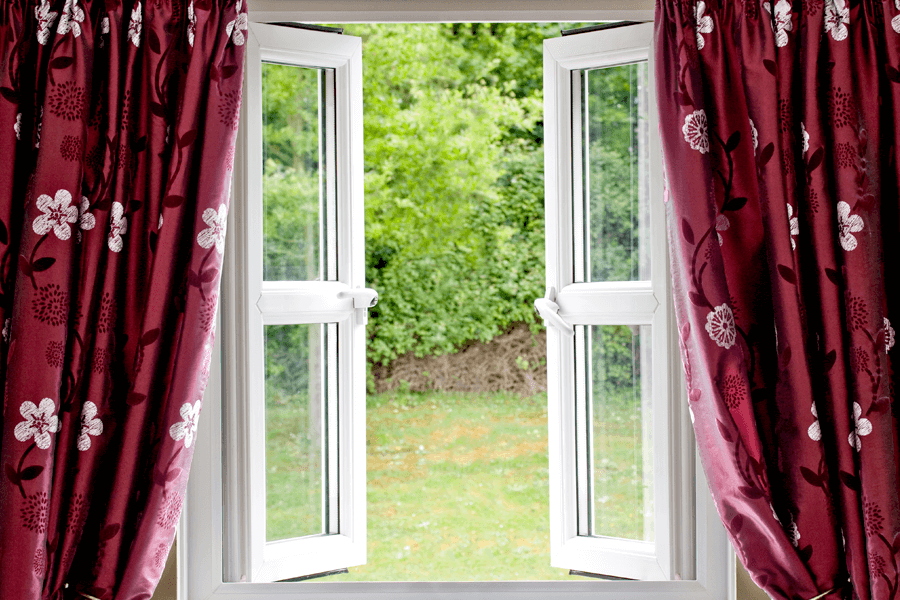
- Features such as glazing bars and opening arrangements
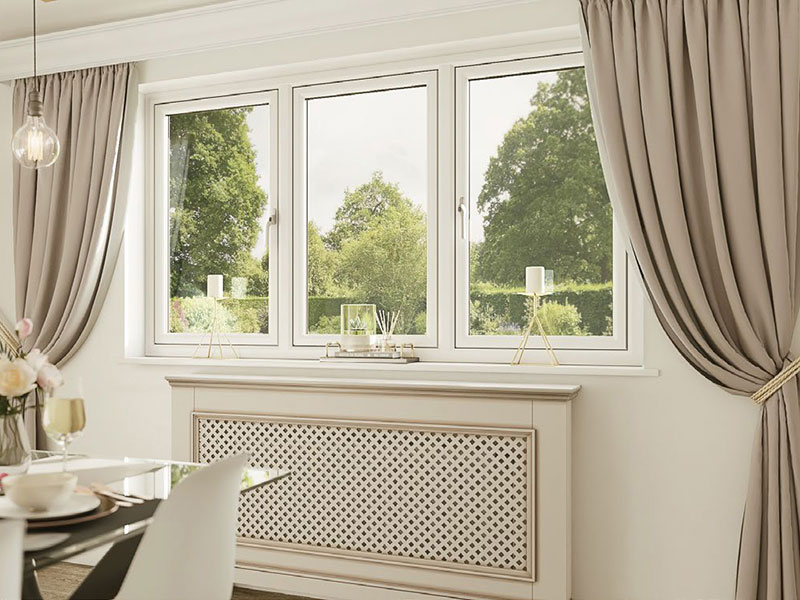
At Boston Trade Frames, we offer casement windows, flush sash windows and sliding sash windows, giving homeowners several options when looking to retain traditional detailing alongside modern window performance. The most suitable choice will depend on the property’s character and any requirements set by the local authority.
Improving energy efficiency without losing character
Older properties often have single glazing, which can contribute to heat loss. Improving energy efficiency can therefore be an important reason for considering replacement windows.
The design of conservation area windows needs to remain sympathetic to the original property, so double glazing may not be suitable in every situation.
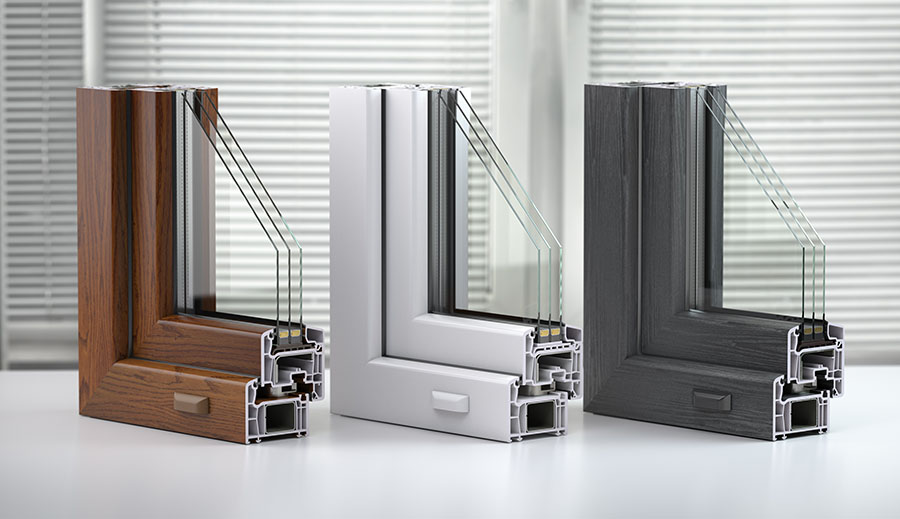
Boston Trade Frames supplies uPVC windows and aluminium windows in a range of styles and specifications. The most suitable option will depend on the property and any requirements set by the local planning authority.
Where full window replacement is not suitable or approved, secondary glazing can provide another way to improve thermal performance while retaining the existing windows and external appearance.
What should you check before replacing windows?
Before ordering new windows or submitting a planning application, check:
- Conservation area status: Confirm whether your property is within a designated conservation area.
- Article 4 Directions: Check whether additional controls apply to your property.
- Listed status: Find out whether the property is listed and whether listed building consent is required.
- Existing windows: Consider their style, proportions, materials and glazing.
- Proposed replacements: Make sure the design respects the character of the original windows.
- Local guidance: Check your council’s website or speak directly to the planning department for further guidance.
If a planning application is required, you may need to provide full details of the proposed replacement windows, including their design, materials and appearance.
Key takeaways
- Contact your local planning authority before replacing windows in a conservation area
- Check whether an Article 4 Direction applies
- Find out whether the property is a listed building
- Consider like-for-like design, materials and glazing details
- Look at energy efficiency without overlooking the building’s character
- Check local planning guidance before ordering new windows
Get advice before you apply
Every conservation area has its own considerations. If you are planning a window replacement and want to explore suitable styles and materials, contact the team at Boston Trade Frames.
We can talk you through the available window options and specifications before you approach your local authority.
Call Boston Trade Frames on 01205 311144 or email nigel@bostontradeframes.co.uk to discuss your requirements.
Back to news