

When comparing uPVC and aluminium doors, the honest answer is that neither is universally better – the right choice depends on your home’s style, your budget, and what you want your door to do for you.
At Boston Trade Frames, we are more than just a manufacturer of windows and doors. We are a family-owned business with a passion for creating beautiful, energy-efficient solutions for our community.
For over 35 years, our dedication to quality and service has made us a trusted name in Boston. We understand that choosing a new front door is a significant investment, and the material you select will impact your home’s appearance and performance for decades.
One of the most common questions our customers ask is about uPVC doors vs aluminium doors.
Both materials have evolved significantly in recent years, offering a wide range of styles and high performance across the board. However, the right choice for you depends on your property style, your budget, and your specific lifestyle needs.
The modern standard for British homes
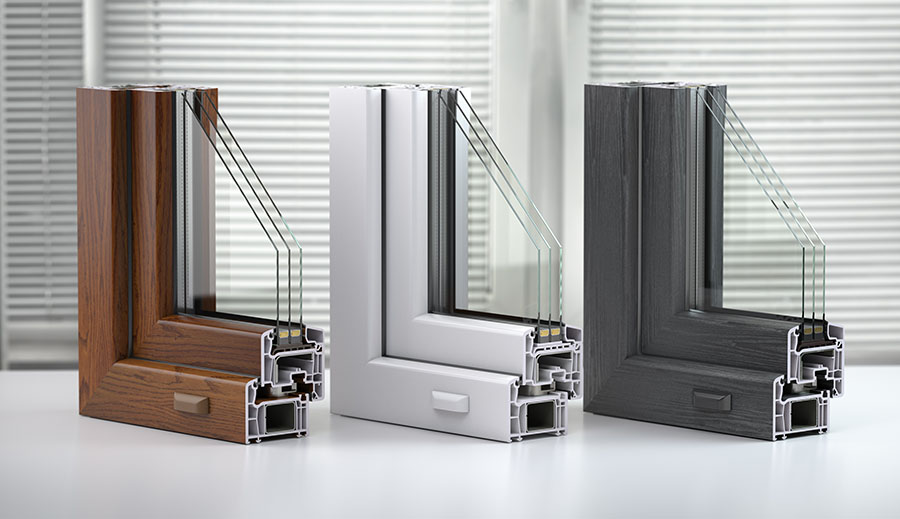
uPVC (unplasticised polyvinyl chloride) has been the most popular choice for UK homeowners for years due to its versatility and value. Modern uPVC doors are far more advanced than the versions seen twenty years ago, featuring multi-chambered profiles that trap heat.
Aluminium, on the other hand, was once reserved for commercial buildings but has seen a massive surge in residential popularity. Known for its sleek, metallic finish and high strength, aluminium doors are often the preferred choice for contemporary architecture.
Performance at a glance
When weighing up uPVC doors vs aluminium doors, it helps to look at the fundamental strengths of each. uPVC is a natural insulator, making it incredibly effective at blocking cold air. Aluminium is a conductor, so it relies on high-tech “thermal breaks” to reach similar levels of energy efficiency.
While aluminium offers exceptional durability and slimmer frames, uPVC is often more cost-effective while still providing a high-quality finish.
Built to last with minimal maintenance
Both materials are famous for being low maintenance. Unlike timber, neither will rot, warp, or require regular repainting.
- uPVC: These doors are incredibly resilient against the British weather. A quick wipe down with soapy water a few times a year is all that is required to keep them looking fresh.
- Aluminium: This material is naturally resistant to corrosion. Because the colour is powder-coated onto the metal, it is highly resistant to fading or scratching, even in exposed coastal or windy areas.
Keeping the heat in and bills down
With energy efficiency a top priority for every homeowner, reducing heat transfer and heat loss is the most effective way to manage rising energy bills.
- uPVC doors are inherently warm materials. The internal chambers act as a series of barriers that stop heat from escaping.
- Aluminium doors use a polyamide thermal break between the inner and outer sections of the frame. This technology has improved so much that high-end aluminium doors now rival the thermal efficiency of uPVC and even some composite doors.
Advanced protection for your home
Security is a non-negotiable feature for any entrance. Both materials are incredibly strong and difficult to bypass. At Boston Trade Frames, we ensure that every door we manufacture is fitted with multi-point locking systems as standard.
Whether you choose the rigid structure of aluminium frames or the steel-reinforced profiles of uPVC, you can be confident that your home is secure.
Aesthetics: Modern chic vs classic versatility
Your choice often comes down to the “look” you want to achieve. Far from the days of a choice between chunky white uPVC or silver grey aluminium, both materials are available in a huge range of colours and finishes.
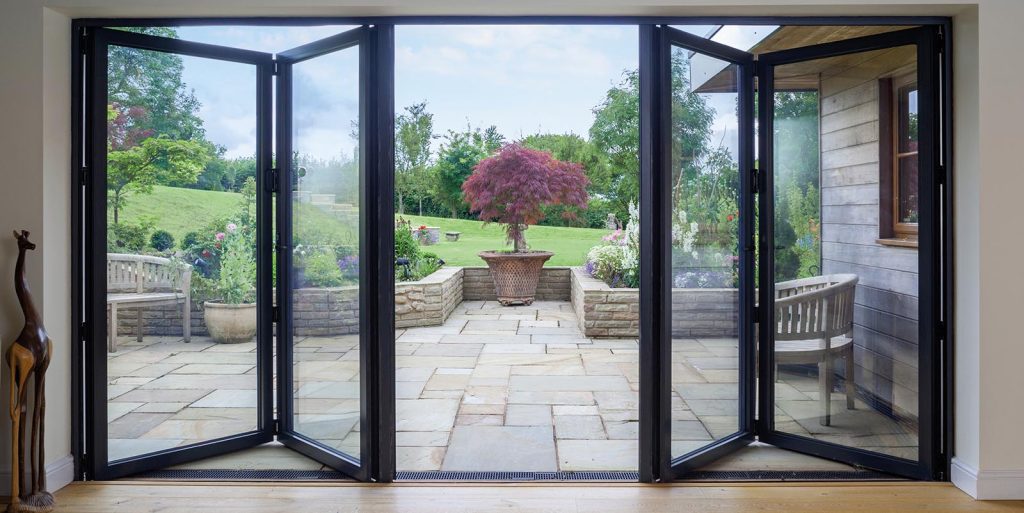
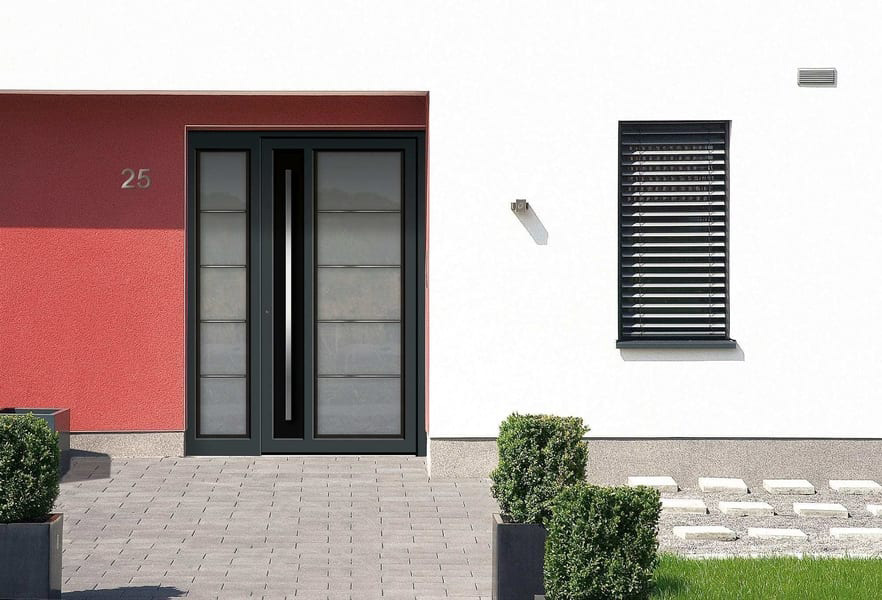
- Aluminium: If you want minimal maintenance and slim profiles that allow for maximum natural light, aluminium is an excellent choice. Its strength allows for larger panes of glass, making it perfect for French doors or wide-span garden entrances. Whether you love the ever-popular anthracite grey or want to make a statement with a bold red, our aluminium doors can be powder coated to fit your desired look exactly.
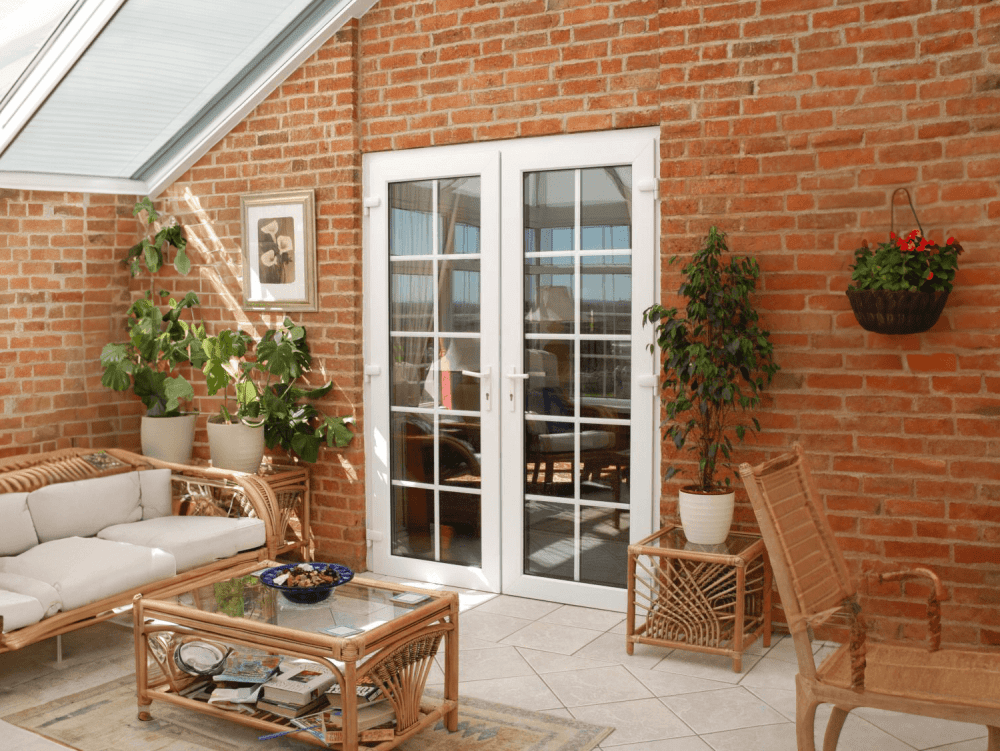
- uPVC: If you are looking for a door that matches your uPVC windows or you prefer a traditional woodgrain finish in Irish oak or rosewood, uPVC offers vast customisation. Modern foils allow uPVC to mimic the look of timber so closely that it is often hard to tell the difference.
Balancing your budget
Budget is a practical reality of home improvement. Generally, uPVC is the more affordable option. Because the manufacturing process is less complex and the raw materials are more accessible, uPVC provides an incredible return on investment.
Aluminium is a premium material; while the initial cost is higher, its lifespan can often exceed 45 years, potentially making it the cheaper option over the very long term.
Which is the right fit for your Boston home?
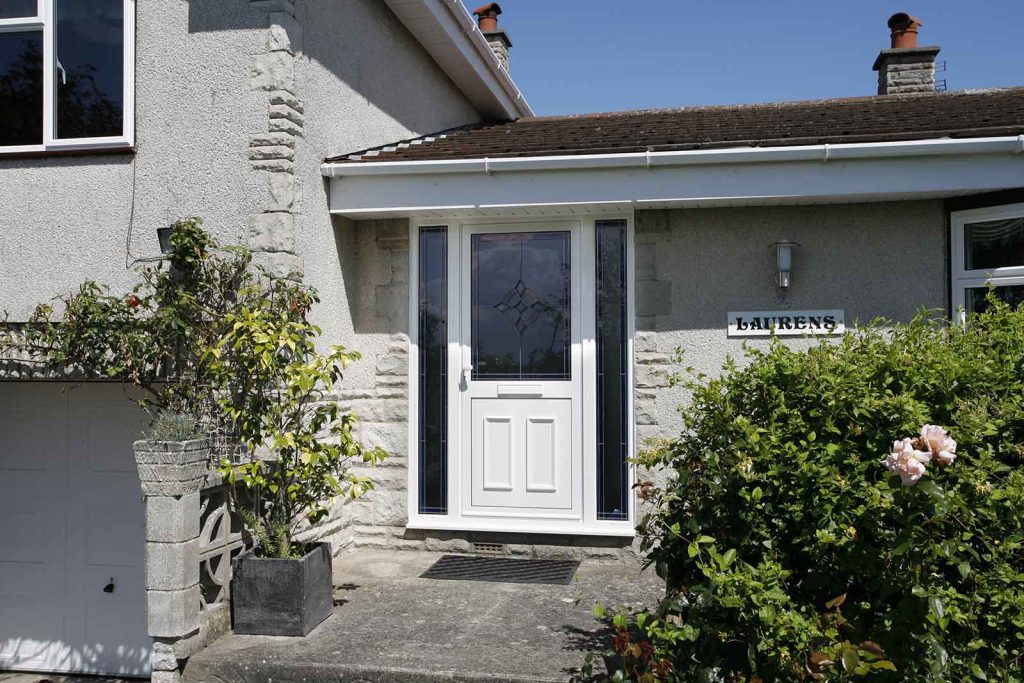
If you live in a traditional terrace or a classic semi-detached home and want an affordable, warm, and secure upgrade, uPVC is hard to beat, especially if you want the look of real timber without the upkeep.
If you are working on a modern renovation or an extension where you want huge glass areas and a minimalist aesthetic, aluminium is the standout winner.
Regardless of the material you choose, a professional installation is vital. Even the highest-quality door will underperform if it isn’t fitted with precision. Our CERTASS Certified team’s 35 years of experience ensures that every door is airtight and perfectly aligned.
Start your home improvement with Boston Trade Frames
Our family-run team is here to help you find the perfect door with a variety of colour options for your property. Whether you are leaning towards uPVC or aluminium, we provide the honest advice and quality craftsmanship you deserve.
Ready to find the perfect door for your home? Contact our team today to get your free quote.
Back to news