

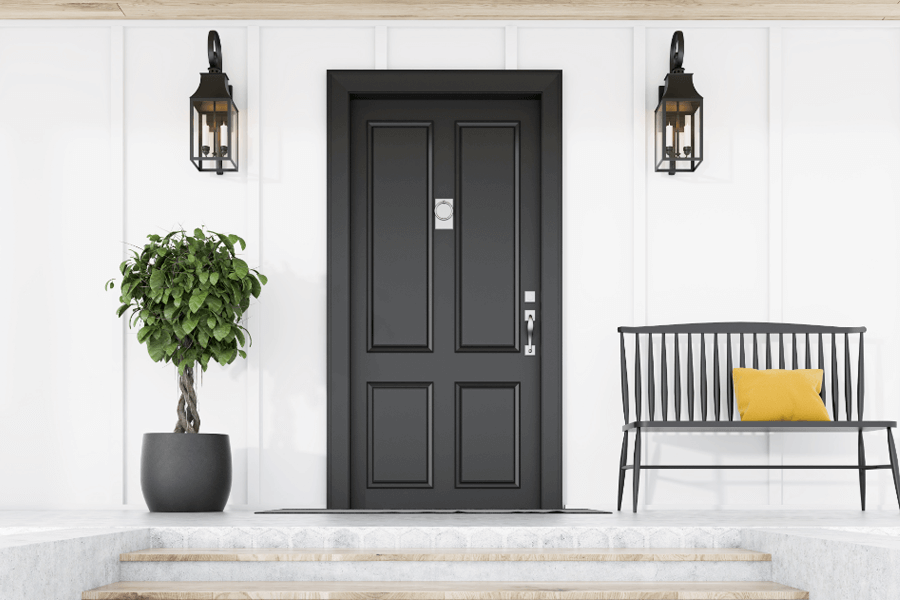
Choosing a new door for your home is a big decision. Your front door is the first thing visitors see, and it plays a crucial role in security, energy efficiency and kerb appeal.
Two of the most popular choices for homeowners today are uPVC and composite doors – but what’s the actual difference between them?
In this guide, we’ll break down the critical aspects of both external door types, from materials and durability to security features and cost, helping you make the right choice for your property.
Understanding the materials
The main difference between these door types lies in what they’re made from.
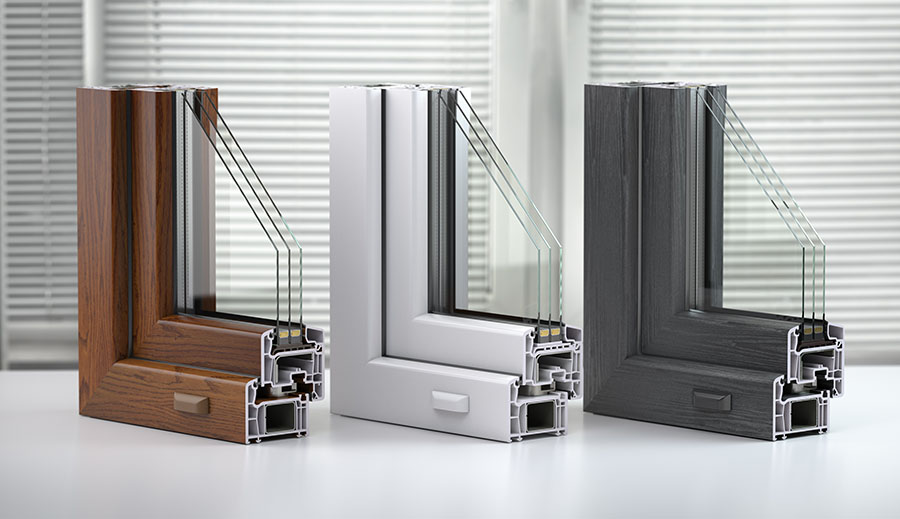
uPVC doors are constructed from unplasticised polyvinyl chloride, a type of reinforced plastic. They’re lightweight, durable and have been a popular choice for decades. The manufacturing process creates strong structural frames that resist warping and rotting.
Composite doors, on the other hand, use a combination of materials. They typically feature a solid timber core (or foam layer in some designs) surrounded by a reinforced plastic skin. This multi-layered construction gives composite doors extra thickness and strength, making them particularly robust.
According to the Glass and Glazing Federation, composite doors can be up to 10% more thermally efficient than standard uPVC doors due to their solid core construction – a significant benefit when you’re looking to reduce energy bills.
Security: Keeping unwanted intruders out
Both door types offer high security, but there are differences worth noting.
uPVC doors meet strict security standards and come with multi-point locking systems as standard. They provide excellent value and give homeowners genuine peace of mind.
Composite doors take things a step further. The solid timber core makes them incredibly difficult to break through, and their extra thickness means they naturally offer better performance ratings in terms of security. Many composite doors achieve the highest security standard available, making them the superior choice if security is your top priority.
Energy efficiency and thermal performance
Both uPVC and composite doors deliver excellent thermal efficiency, helping to keep your home warm and reduce energy costs.
uPVC front doors have evolved considerably over the years. Modern designs include advanced insulation and weather seals that prevent draughts and keep the outside world where it belongs.
Composite doors generally offer slightly better thermal performance thanks to their solid core construction. The core of a composite door acts as an insulator, reducing heat loss more effectively than hollow alternatives.
Which door type requires less maintenance?
Good news – both options are low maintenance compared to traditional timber doors.
uPVC doors simply need an occasional wipe with a damp cloth to keep them looking fresh. They won’t rot, warp or need repainting.
Composite doors are equally straightforward. Despite their timber core, the outer layer protects against moisture and weather damage, so there’s no risk of rot or decay.
Aesthetics and colour options
Want your exterior door to match your home’s character? Both options offer a wide range of colours and styles.
uPVC doors are available in various finishes, including woodgrain effects that mimic the look of traditional timber doors without the upkeep.
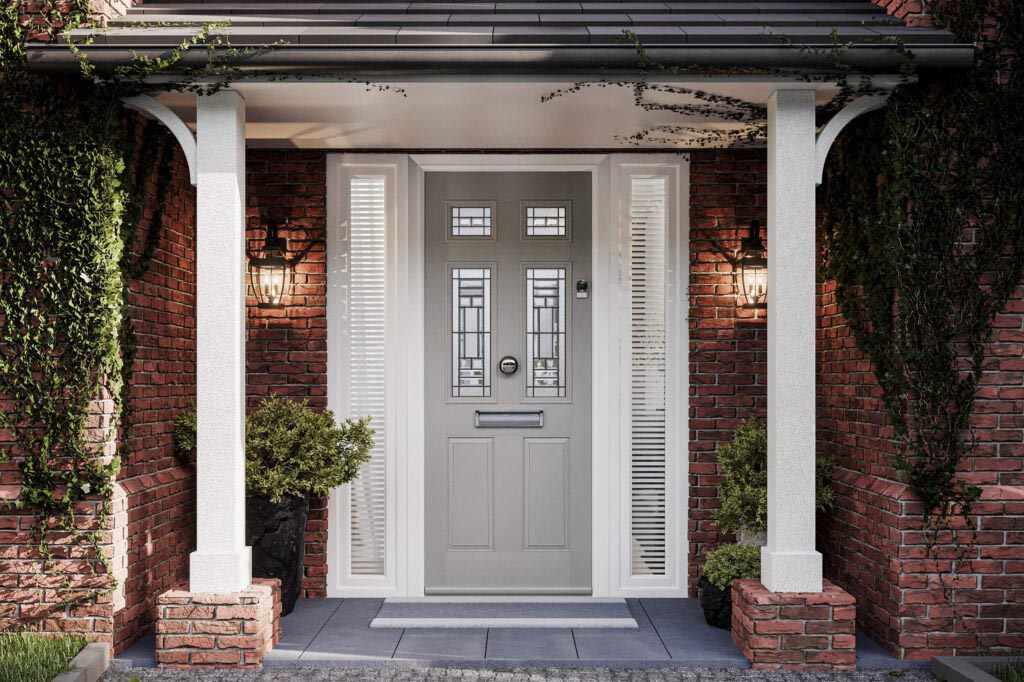
Composite doors typically offer an even wider range of design possibilities. From classic styles to contemporary looks, you’ll find the perfect door to suit your property. Many homeowners prefer composite doors because they more closely resemble solid wood in both appearance and feel.
Cost considerations
Here’s where the critical differences become important to your budget.
uPVC doors are generally more affordable, making them an excellent value choice for homeowners looking for quality materials without the higher price point.
Composite doors cost more initially, but there’s a good reason for that. The superior materials, better security features and improved thermal efficiency often justify the investment, particularly for your main entrance door.
What is the best choice for your home?
The ideal solution depends on your priorities and budget. uPVC doors offer excellent value, high security and low maintenance. Composite doors provide superior thermal performance, the best security ratings and authentic aesthetics, though at a higher price point.
In summary: What is the difference between uPVC and composite doors?
| Feature | uPVC Doors | Composite Doors |
| Materials | Unplasticised polyvinyl chloride (reinforced plastic) | Combination of materials including solid timber core with reinforced plastic skin |
| Security | High security with multi-point locking systems | Superior security due to solid core; achieves highest security standards |
| Thermal efficiency | Excellent insulation with modern weather seals | Up to 10% more thermally efficient due to solid core construction |
| Maintenance | Very low – occasional wipe with damp cloth | Very low – no painting, rotting or warping |
| Appearance | Wide range of colours and woodgrain effects | Wider design range; more authentic solid wood look and feel |
| Durability | Long-lasting; won’t rot or warp | Extremely robust; extra thickness provides added strength |
| Cost | More affordable; excellent value | Higher initial investment but superior long-term performance |
| Weight | Lightweight | Heavier due to solid core |
| Best for | Budget-conscious homeowners wanting quality and security | Those prioritising maximum security, thermal performance and authentic aesthetics |
Explore your options with Boston Trade Frames
Whether you’re leaning towards a uPVC front door or a composite door, Boston Trade Frames offers a wide range of both options. Our high quality entrance doors come in numerous styles, from traditional designs to contemporary stable doors and back doors.
We understand that choosing between different materials can feel overwhelming, which is why our team is here to help you weigh up the pros and cons of each door type.
Ready to find your perfect door? Browse our range of uPVC and composite doors online, or call today for a free quote, (supply only uPVC doors available for trade professionals). Let us help you make your entrance door today’s best investment.
Back to news