
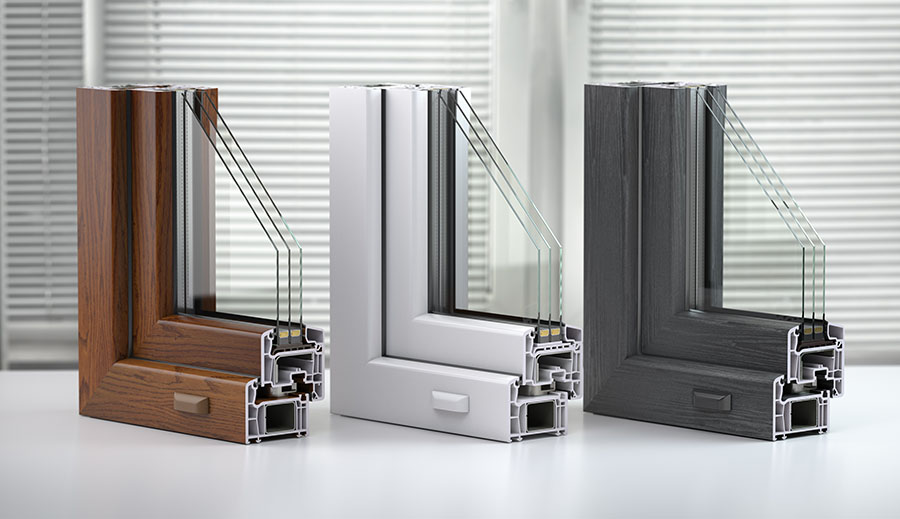
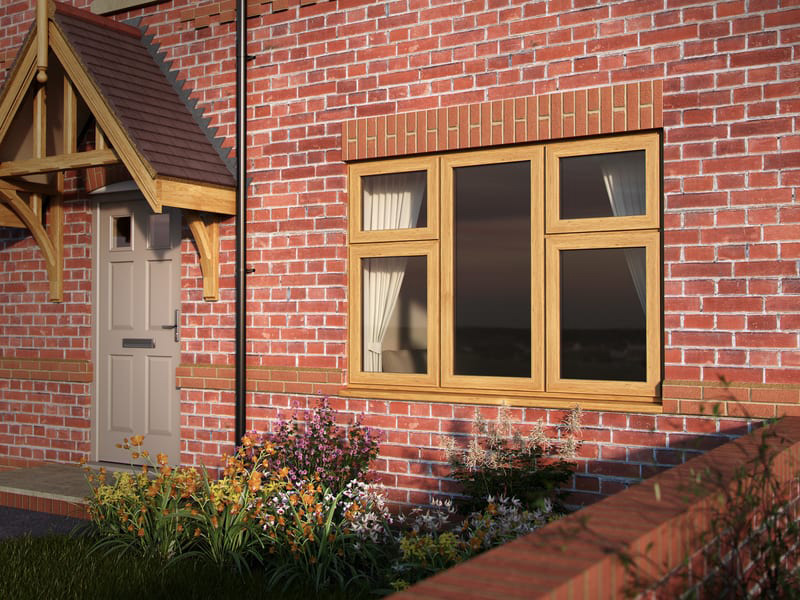
The main difference between standard casement and flush casement windows is how the sash sits within the frame when closed. Standard casement windows have a more pronounced frame profile, while flush casement windows have a flatter finish.
At Boston Trade Frames, we supply a range of window styles to suit different properties and budgets, working with customers across Lincolnshire and the surrounding areas. In this guide, we compare their appearance, cost, materials and maintenance to help you decide which option suits your home.
What is the difference between a casement and a flush casement?
Both styles use hinged sashes that typically open outwards. The key distinction is how the sash meets the frame when closed: standard casements have a more prominent profile, while flush casements create a level finish. This affects the window’s appearance rather than automatically making one style better than the other.
What are standard casement windows?
Casement windows are a popular choice for UK homes thanks to their practical design and versatility. Their sashes are hinged at the side or top, allowing them to open outwards for ventilation. They suit a wide range of properties, from modern new builds to traditional homes.
The overlapping sash gives standard casement windows their characteristic stepped appearance. This familiar design is available in different frame styles and materials to complement your property.
At our factory, we manufacture uPVC casement windows using the 70mm Kömmerling system. You can choose from chamfered or ovolo detailing, while our aluminium options offer an alternative for homeowners who prefer slimmer frames.

What are flush casement windows?
Flush casement windows take a different approach to the frame design, with the sash sitting level with the outer frame when closed. The result is a clean, understated finish that can complement both period properties and contemporary homes.
Also known as flush sash windows, these designs draw inspiration from traditional timber windows. They can be particularly suitable for cottages and older properties where a simpler, more traditional appearance is preferred.
We offer flush sash windows in uPVC and aluminium. Our uPVC options include woodgrain finishes that capture the look of timber without the same level of ongoing upkeep.

Key differences between casement and flush casement windows
Appearance and kerb appeal
The choice often comes down to the look you want for your home. A stepped profile can complement a more conventional window design, while a flush finish offers a cleaner, more understated appearance. Consider how each option would work with your property’s existing features.
Opening mechanisms and sightlines
The opening mechanism is broadly similar for each style, with side-hinged or top-hinged sashes. The main visual difference is the sash position rather than how you open the window.
If slimmer sightlines and larger areas of glass are priorities, aluminium is worth considering. Its strength allows for slim frame profiles, helping maximise natural light. We offer aluminium casement and flush sash options for a contemporary finish.
Price
Standard casement windows can be the more affordable option, although prices vary depending on the window size, material, glazing and specification. Flush casement windows may cost more, so it’s worth comparing like-for-like quotations before making a decision.
We can discuss your requirements and provide a free quote based on your property and chosen window style.
Materials and colours
We supply uPVC windows and aluminium windows in a range of styles, colours and finishes.
uPVC is a popular choice for its affordability and low-maintenance qualities. Woodgrain finishes can create a timber-effect appearance, while options such as Grained Anthracite Grey, Cream and other colours help you coordinate your new windows with the rest of your home.
Aluminium offers a strong, durable frame, while both materials are available in styles and finishes to suit different properties. Your preferred appearance and budget will help determine the best fit.
Energy efficiency and maintenance
The sash design alone doesn’t determine a window’s energy performance. The frame, glazing, seals and installation all contribute to thermal efficiency and heat loss. Double and triple glazing options are available for selected products, depending on the system and specification. If improving energy efficiency and managing energy bills are priorities, compare the performance details for your chosen windows rather than assuming one style will always perform better.
Both uPVC and aluminium window frames are generally low-maintenance. Regular cleaning and occasional checks of the seals and hardware help keep your windows in good condition. The precise maintenance requirements depend on the product and its components.
Which window style suits your property?
In our experience, the best starting point is the age, character and design of your home.
Standard casement windows may be a great choice for:
- Modern properties and new builds where a familiar, practical design works well.
- Homeowners looking for a cost-conscious option for replacement windows.
- Properties where a stepped frame profile complements the existing windows.
Flush casement windows may suit:
- Period homes and cottages where a traditional look is important.
- Older homes where a timber-style finish complements the architecture.
- Contemporary properties where you prefer a minimalist design with simple lines.
If your property is in a conservation area, speak to your local planning authority before ordering replacement windows. Requirements vary depending on the location and the property, particularly for listed buildings. Although flush casements can suit the appearance of some period homes, the design, materials and finish may all affect whether they are acceptable.
Choose the right windows for your home
The right window style should complement your property’s character, suit your budget and deliver the performance you need. Whether you prefer the familiar profile of standard casement windows or the clean finish of flush casements, comparing materials, glazing options and specifications will help you make an informed decision.
At Boston Trade Frames, we’ve been helping customers with their window requirements since 1981. We supply standard casement and flush casement windows to customers across Lincolnshire and the surrounding areas. Our team can help you explore your options and request a quote tailored to your project.
Get in touch on 01205 311144 or contact our team online to discuss your requirements and request a free, no-obligation quote. We aim to respond to enquiries within 48 hours.