

For most homeowners, uPVC is the more cost-effective choice, while aluminium is worth considering if you want slimmer frames, greater strength or larger areas of glazing. The right option will depend on your budget, property and the look and performance you want from your new windows.
At Boston Trade Frames, we manufacture uPVC windows in-house using the 70mm Kömmerling system and supply thermally broken aluminium windows from trusted brands including Sheerline. We’ve helped homeowners across Lincolnshire choose between these two materials since 1981, so we understand that there isn’t one option that suits every property.
In this guide, we’ll compare uPVC and aluminium windows across cost, sightlines, strength, thermal insulation, maintenance, colour options and lifespan to help you decide which is right for your home.
uPVC vs aluminium windows at a glance
| Factor | uPVC windows | Aluminium windows |
| Cost | Budget-friendly | Higher upfront cost |
| Sightlines | Chunkier frames | Slim profiles, more glass |
| Structural strength | Good, standard-sized windows | Excellent, supports larger openings |
| Thermal insulation | Naturally insulating | Strong with thermal break technology |
| Maintenance | Low maintenance, no painting | Minimal maintenance, powder coated |
| Colour options | Wide range, including woodgrain effects | Wide range, contemporary finishes |
| Expected lifespan | Long lifespan with proper care | Long lifespan, resists corrosion |
| Best suited to | Traditional and modern homes, particularly where budget is a priority | Contemporary homes, extensions, larger openings and properties where slim sightlines are important |
Cost: the more budget-friendly option
For homeowners working to a set budget, uPVC frames remain the more cost-effective window material. Our uPVC windows deliver strong thermal performance and durability without the higher price tag that comes with aluminium.
Aluminium windows generally have a higher upfront cost than uPVC, reflecting the material, manufacturing process and design capabilities of modern aluminium systems. This extra investment brings real benefits in strength and appearance, which matters if slim sightlines or large windows are a priority for your project.
Sightlines and design flexibility
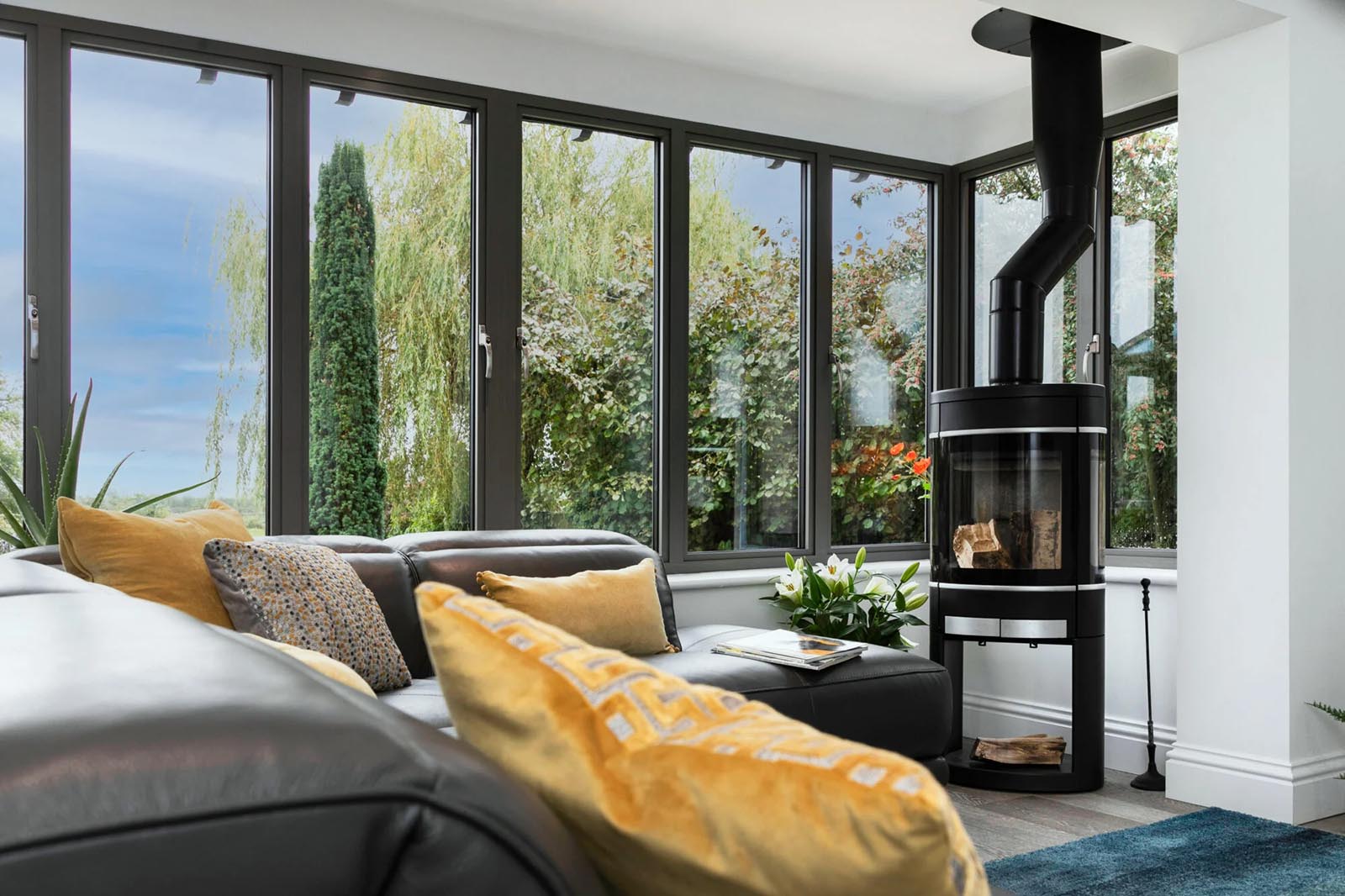
This is where aluminium windows have a clear advantage. The inherent strength of aluminium allows for genuinely slim frames, so more of each opening is given over to glass rather than frame material. That means more of each opening can be given over to glass, creating slimmer sightlines and a brighter feel.
uPVC frames are chunkier by comparison, a trade-off for the affordability and insulating properties the material offers. For most standard windows this difference is barely noticeable, but for large windows, wide openings or bifold doors, aluminium’s slimmer profiles offer greater design flexibility.
Structural strength
Aluminium’s inherent strength makes it the stronger of the two materials. This structural advantage supports larger windows and wider openings without the frame needing to be bulked out, which is a key reason it’s become the go-to choice for extensions and contemporary homes.
uPVC frames are still robust and perform reliably for the vast majority of domestic window openings. For standard-sized casement windows or sliding sash windows on most homes, uPVC’s strength is more than sufficient.
Thermal insulation and energy efficiency
Both materials can deliver strong thermal performance, just by different means. uPVC is naturally a poor conductor of heat, so the frame material itself resists heat transfer and reduces heat loss.
Aluminium is naturally a better conductor of heat, so modern aluminium windows rely on thermal break technology, an insulating barrier built into the frame, to stop heat escaping. Combined with double glazing or triple glazing, this gives aluminium windows strong thermal efficiency, helping to keep energy bills down.
When comparing windows, it’s worth checking the energy performance of the complete window rather than looking at the frame material alone.
Maintenance requirements
uPVC windows require minimal maintenance. The frames don’t need painting and clean up easily with soapy water, standing up well to UK weather conditions without warping or discolouring.
Aluminium windows are similarly low maintenance thanks to their powder coating finish, which offers excellent resistance to fading, chipping and corrosion. This makes aluminium a particularly good choice for coastal environments, where salt-laden air can be tough on lesser materials.
Colour options
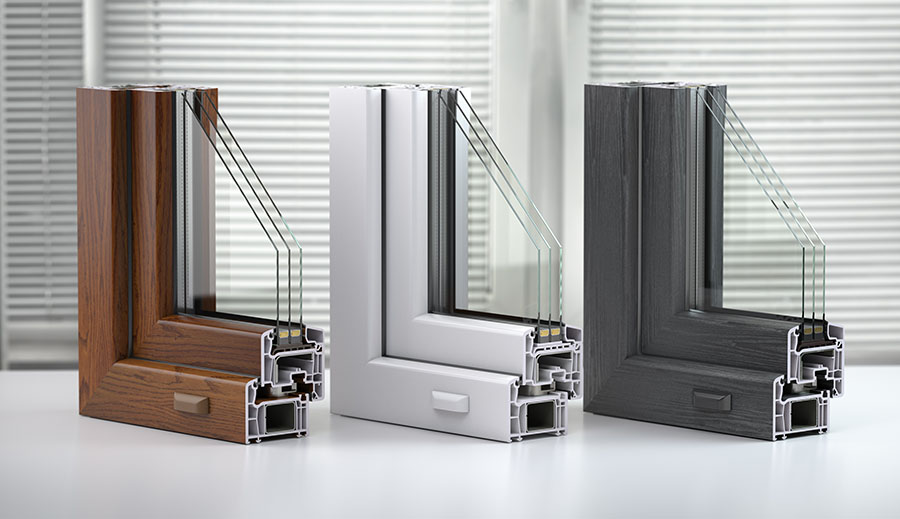
uPVC and aluminium windows both come in a wide range of colours and finishes. uPVC options include timeless neutrals through to woodgrain effects that echo the character of timber windows, while aluminium offers a broad choice of contemporary colours and finishes.
How long do uPVC and aluminium windows last?
Both materials can provide many years of reliable service when properly manufactured, installed and maintained. Aluminium is particularly durable and naturally resistant to corrosion, while uPVC is also designed to provide long-term, low-maintenance performance.
Which property style suits which material?
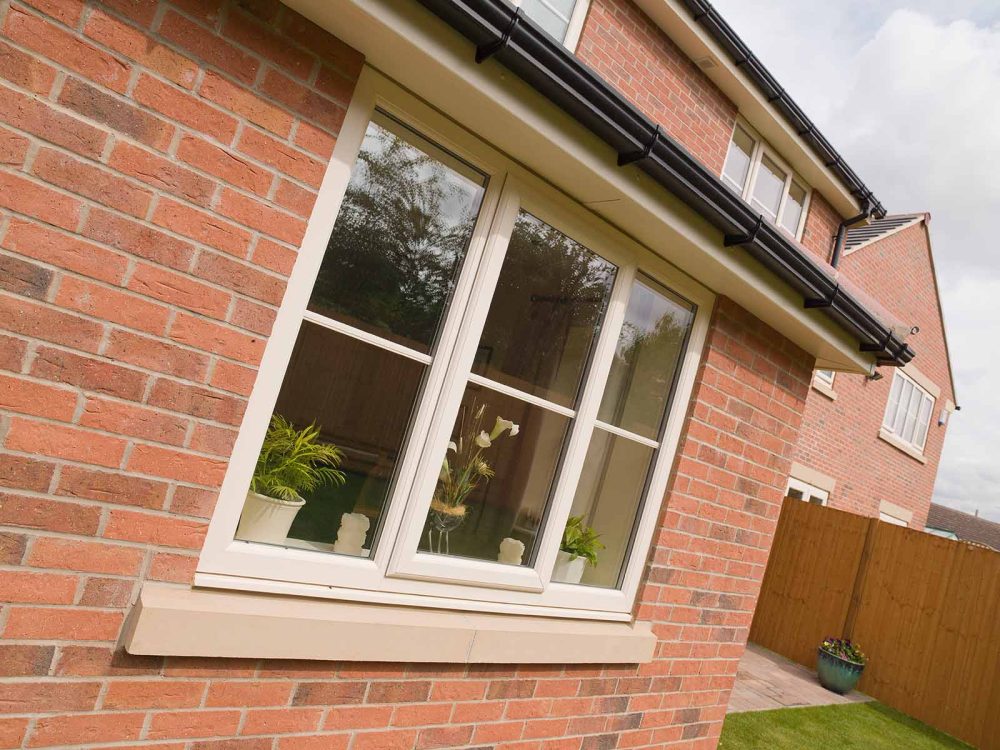
- Period and traditional properties: uPVC, particularly flush sash windows or sliding sash windows, with woodgrain finishes can sit comfortably alongside timber windows in character.
- Modern homes and extensions: aluminium’s slim profiles and modern look suit contemporary architecture and large glazed areas.
- Coastal properties: aluminium’s resistance to salt air and weather conditions gives added peace of mind.
- Budget renovations: uPVC delivers strong performance without stretching the budget.
Making the right choice for your home
There’s no clear winner between uPVC and aluminium windows, only the material that best fits your property, budget and design goals. uPVC remains a great choice for cost-conscious homeowners after low maintenance and strong insulation. Aluminium suits those prioritising slim frames, larger windows or a modern look.
At Boston Trade Frames, our family-run team manufactures uPVC windows in-house and supplies high-performance aluminium windows, so we can talk you through both options honestly. Get in touch on 01205 311144 or email nigel@bostontradeframes.co.uk for a free quote, and we’ll help you find the right windows for your home.
Back to news