

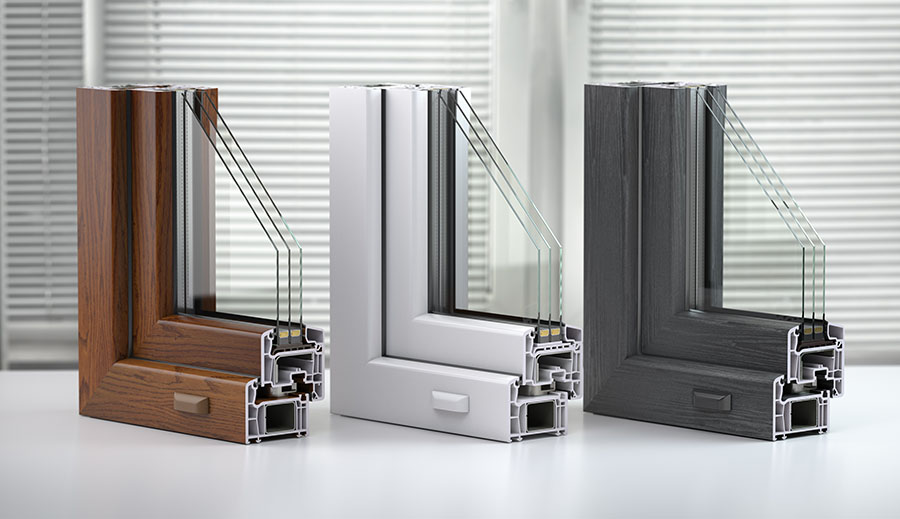

Yes, energy-efficient uPVC windows reduce heating bills by creating a thermal barrier that slows heat loss through the glazing and frame. However, your actual financial savings depend directly on the condition of your existing windows, the overall size of your property, your heating fuel and usage, and the energy rating of the new window system.
At Boston Trade Frames, we’ve spent over 35 years helping local homeowners transform their properties with energy-efficient uPVC windows that deliver significant energy cost savings while enhancing comfort and style.
Why Choose Energy-Efficient uPVC Windows?
Modern uPVC windows offer exceptional thermal efficiency, helping to maintain a comfortable temperature in your home while reducing energy consumption. The inherent insulating properties of uPVC, combined with advanced glazing technology, create a powerful barrier against heat loss, potentially leading to substantial reductions in your heating bills.
What Affects Your potential Savings?
The actual savings depend on a range of factors, including your current window type, property size, and heating habits. If you are upgrading from older double glazing that is still structurally sound, annual financial savings are typically modest (around £35 to £50 per year). However, the combination of energy efficiency features in modern uPVC windows consistently delivers impressive results, especially during the cold winter months.
Which Windows Features Reduces Heat Loss?
Advanced Glazing Options
- Double glazing and triple glazing options
- Argon gas-filled sealed units for superior insulation
- Low emissivity (Low-E) glass coating to reflect heat back into your home
- Multiple glass panes reducing heat transfer
Superior Frame Design
- 70mm Kömmerling system for optimal thermal performance
- Multi-chambered uPVC frames that trap air for better insulation
- Robust weathersealing to prevent draughts
- High-quality materials reducing the risk of condensation
Understanding Energy Ratings
The British Fenestration Rating Council (BFRC) provides a clear rating system to measure the overall energy efficiency of windows. This helps homeowners make informed decisions about their window choices. At Boston Trade Frames, our windows achieve excellent energy ratings, ensuring you get the most energy efficient solutions for your home.
When Should You Replace Existing Windows?
Before deciding to replace your windows, assess your current units against this practical performance checklist:
1. Existing Glazing:
• Single-pane glass that allows rapid heat loss and creates cold zones near exterior walls.
• Blown or failed sealed units.
Draughts & Air Infiltration:
• Noticeable cold draughts coming through window edges or cills when windows are closed.
• Rattling sashes or whistling sounds during windy weather.
• Perished, brittle, or cracked rubber perimeter gaskets that no longer form an airtight seal.
Frame Condition:
• Warped, twisted, or bowed uPVC frames that prevent the sash from pulling tightly against the outer frame.
• Stiff, misaligned, or corroded hinges and multi-point locking handles that compromise closing compression.
• Rotting, soft, or damaged timber on older wooden frames.
Whole-Window Performance:
• Windows installed prior to 2002 that lack modern Low-E thermal coatings and warm-edge spacer bars.
• Excessive outside street and traffic noise entering the property, indicating poor overall acoustic and thermal seals.
Benefits Beyond Energy Savings
While lower energy bills are a compelling reason to choose uPVC windows, they offer numerous additional advantages:
- Low maintenance requirements
- Enhanced soundproofing for peace of mind
- Improved security features
- Increased natural light
- Reduced carbon footprint
- Long-term durability
- Various styles including casement windows, sash windows, and French windows
Local Expertise for Boston Homes
As a family-run business led by owner Nigel Apps, we understand the unique challenges faced by Boston homeowners. Our expertise in manufacturing and installing energy-efficient windows is complemented by our deep knowledge of local period properties and building regulations. Whether you’re updating a traditional property or modernising a newer home, we can recommend the perfect efficient glazing solution.
Why Choose Boston Trade Frames?
- In-house manufacturing using the premium 70mm Kömmerling system
- Expert installation by our skilled team
- Wide range of styles and finishes
- Comprehensive warranty coverage
- Competitive pricing without compromising quality
- Personalised service and expert advice
Take Action Today
Don’t let another winter pass with inefficient windows driving up your heating bills. Contact Boston Trade Frames today for a free consultation and quote. Our friendly team, led by Nigel’s decades of experience, will help you choose the perfect energy-efficient uPVC windows for your home.
Call us on 01205311144 to discover how we can help you achieve significant energy cost savings while enhancing your home’s comfort and appearance. With Boston Trade Frames, you’re not just buying windows – you’re investing in a warmer, more efficient home for years to come.
Frequently Asked Questions
Is triple glazing worth the extra investment over A-rated double glazing?
A-rated double glazing provides the best balance of cost and thermal performance. Triple glazing lowers the U-value further, making it especially beneficial for north-facing rooms, properties exposed to severe coastal or Fenland winds, or high-noise locations like busy main roads.
Do energy-efficient windows also help keep homes cooler during the summer?
Yes. Energy-efficient glass works both ways. The same low-emissivity (Low-E) coatings and multi-chambered frame designs that prevent heat escaping during winter also regulate solar heat gain during hot summer months, preventing south- and west-facing rooms from overheating.
Are uPVC window frames warmer than aluminium or timber?
Yes, uPVC is a natural thermal insulator. When paired with multi-chambered internal profiles, uPVC traps dead air to form an effective barrier against cold. While modern aluminium windows now include thermal breaks, standard uPVC generally offers superior heat retention at a lower overall price point.
Back to news